
How to Sell an HOA or Recreational Subdivision Lot
Key Takeaways
- Recreational subdivision lots are among the hardest land categories to sell through MLS: Decades-old developments in the Ozarks, Poconos, Catskills, desert Southwest, and Appalachian regions carry ongoing POA/HOA dues — and the buyer pool willing to pay retail MLS prices for a lot with annual fees and no near-term development plan is extremely thin, according to NAR Land Market Survey data
- Unpaid HOA dues can become a lien on the property and complicate or prevent closing: In most states, HOA and POA assessments that go delinquent attach to the title as a lien; buyers and their title companies require a "clean" estoppel letter from the association confirming current status before closing proceeds, according to ALTA
- Specialist cash buyers who understand recreational subdivision inventory are the most consistent exit for these lots: They do not need financing, are familiar with POA/HOA estoppel requirements, and have experience reselling to the narrow audience that buys recreational lots
How to Sell an HOA or Recreational Subdivision Lot
The most practical exit for an HOA or recreational subdivision lot is a direct sale to a cash buyer who understands this inventory category, or a specialist land agent in your market; you can also reach out directly to neighbors in the same development who may want to expand. That said, getting rid of a recreational subdivision lot — a parcel inside a property owners' association or HOA-governed community that you inherited, bought decades ago, or stopped using — is genuinely difficult through conventional real estate channels. The buyer pool for these lots is narrow, the annual dues create a recurring expense that depresses perceived value, and most residential agents lack the expertise to price and market recreational land inventory.
This guide explains why these lots sit unsold for months or years on MLS, what the POA/HOA due and lien risks mean for sellers, what the estoppel process requires at closing, and who consistently buys recreational subdivision lots when traditional channels fail.
Why Are Recreational Subdivision Lots So Hard to Sell?
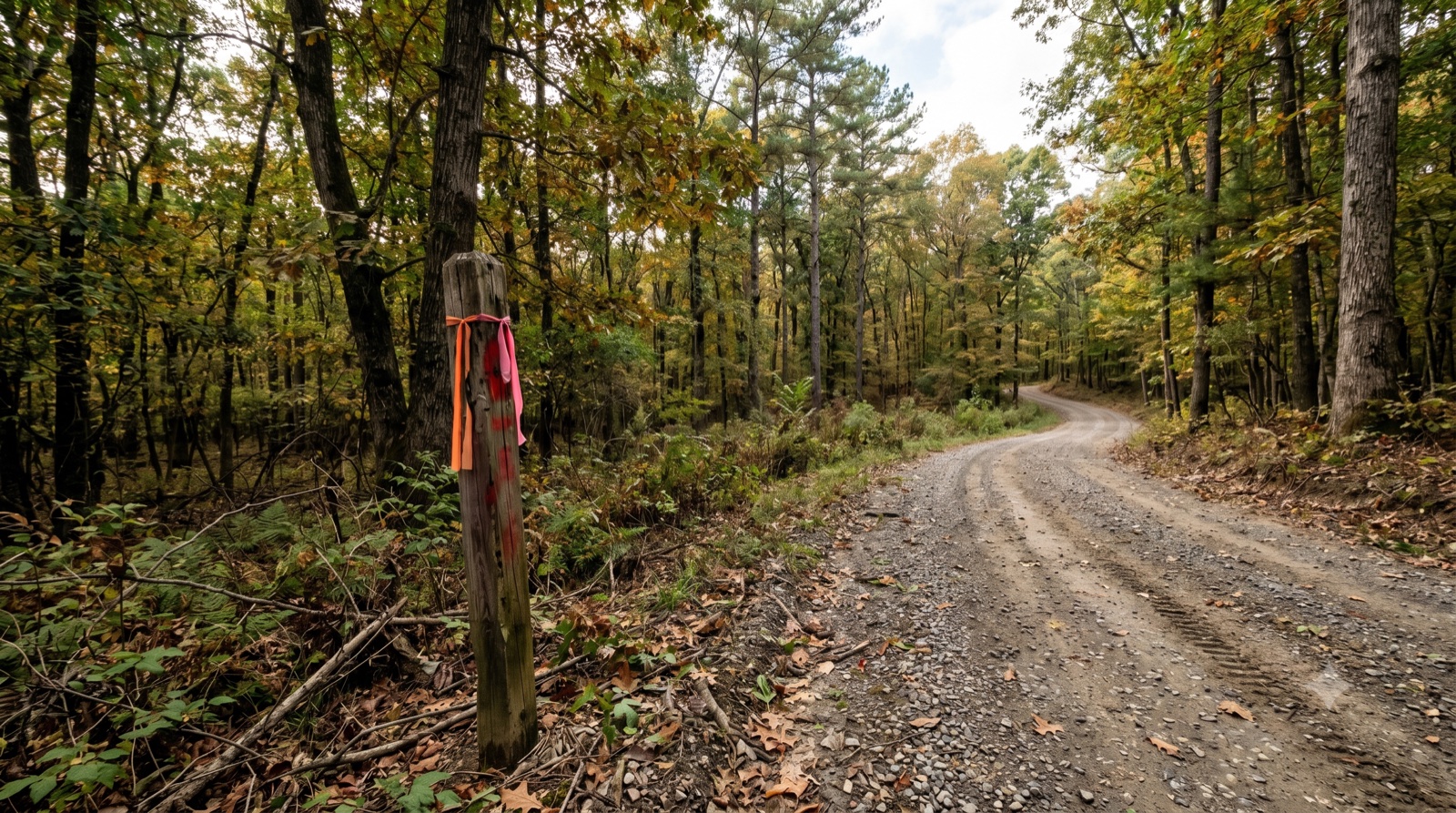
Recreational subdivision lots — commonly called "recreational lots," "country club lots," "lakefront lot parcels," or "mountain subdivision lots" — were developed in large numbers beginning in the 1960s through the 1990s. Developers purchased large rural tracts, subdivided them into 0.5- to 5-acre lots, installed minimal infrastructure (gravel roads, sometimes a community lake or clubhouse), and sold the lots on installment contracts to buyers who envisioned a future weekend cabin or retirement retreat.
Decades later, many of those buyers — or their heirs — hold lots they have never built on, rarely visited, and now pay annual POA dues on indefinitely.
The Structural Buyer Pool Problem
The challenge is not that these lots have no value — it is that the buyers willing to pay full retail MLS prices for them are very few in any given market. Consider what a retail buyer faces:
- Annual POA/HOA dues ranging from a few hundred to several thousand dollars per year, recurring indefinitely
- Potential special assessments if the association's roads, lake, or other amenities need repair
- Transfer fees payable to the association at closing (often $200–$1,000+)
- Deed restrictions (CC&Rs) that limit what can be built, what structures are allowed, minimum square footage, material restrictions, and approval processes
- In many developments, infrastructure (roads, utilities) that has deteriorated since original development and may never reach municipal standards
For a retail buyer to purchase at a price that makes sense for them, they need a concrete plan to use the lot in a near-term timeframe. Most casual buyers who encounter these lots through MLS searches do not have that plan — and they move on.
Geographic Concentrations
Recreational subdivision lots are concentrated in specific regions where large-scale recreational development occurred historically:
- Ozarks (Missouri and Arkansas): Tens of thousands of lots across developments including Fairfield Bay, Cherokee Village, Table Rock Lake communities, Lake of the Ozarks area
- Poconos and Catskills (Pennsylvania and New York): Developments such as Pocono Farms, Indian Mountain Lakes, Buck Hill Falls
- Desert Southwest (Arizona and New Mexico): Rio Rico, Arizona City, Cochise College Park (Cochise County), Rancho Rio Grande
- Appalachian Mountains (Virginia, North Carolina, Tennessee): Massanutten, Beech Mountain, Appalachian Power Park communities
- Northern Wisconsin and Minnesota: Lake association subdivisions along the many recreational lake chains
What Are POA and HOA Dues — and What Happens If You Don't Pay?
A property owners' association (POA) or homeowners' association (HOA) is a nonprofit entity formed to manage shared amenities and infrastructure within a subdivision. Both operate under recorded CC&Rs (Covenants, Conditions, and Restrictions) that run with the land and bind every owner of record, according to the Cornell Legal Information Institute.
Annual assessments (dues) fund road maintenance, common area upkeep, a community lake or pool if present, insurance on association property, and administrative costs. The Community Associations Institute estimates there are approximately 365,000 community associations in the United States as of 2023, covering roughly 74 million residents.
What Happens When HOA Dues Go Delinquent?
When a lot owner fails to pay assessments, the HOA has several collection tools depending on state law:
- Late fees and interest: Most CC&Rs authorize the association to charge late fees and interest on unpaid balances
- Collections and liens: After a notice period (often 30–90 days depending on state law), the association can record a lien against the property for unpaid assessments, fees, and collection costs
- Foreclosure: In most states, HOA liens are foreclosable — the association can initiate foreclosure proceedings to force a sale and recover unpaid dues, though this process is slow and expensive for small-balance liens
- Credit reporting: Associations increasingly refer delinquent accounts to collection agencies
The practical consequence for sellers: Any delinquent HOA or POA assessment, together with accrued interest and fees, must be paid at closing before a clean title can be conveyed. Title companies require a payoff statement from the association — called an estoppel letter or estoppel certificate — before they will insure the buyer's title, according to ALTA.
| HOA/POA Issue | Impact on Sale | Resolution |
|---|---|---|
| Current dues, no arrears | Minor — transfer fee only | Pay transfer fee at closing |
| Delinquent dues (no lien recorded) | Moderate — payoff required | Pay current balance from sale proceeds |
| Recorded lien for delinquent dues | Significant — must clear title | Pay lien + fees before or at closing |
| Special assessment pending | Disclosure required | Disclose to buyer; negotiate allocation |
| Foreclosure threatened or initiated | Urgent — must act immediately | Pay arrears or sell quickly to stop foreclosure |
What Is an HOA Estoppel Letter and Why Does It Matter?
An estoppel letter (also called an estoppel certificate or HOA statement) is a document the HOA or POA issues to confirm the current status of the seller's account. Title companies and buyers' attorneys require it because once the letter is issued, the HOA is "estopped" — legally prevented — from later claiming amounts not disclosed in the letter.
The estoppel letter typically states:
- Current monthly/annual assessment amounts
- Any unpaid balance owed as of a specific date
- Any pending or approved special assessments not yet billed
- Any violations or pending fines
- The transfer fee (if any) due at closing
Most HOAs charge a processing fee to issue the estoppel letter — commonly $50 to $350 per ALTA's 2016 national survey data, though some states have capped these fees by statute (Florida, for example, caps estoppel fees at $299 for current accounts under F.S. 720.30851).
Sellers should request the estoppel letter early — before accepting an offer — so they know the exact payoff amount and can factor it into their net proceeds calculation. Delays in estoppel issuance are a common cause of closing postponements in HOA subdivision sales.
Who Actually Buys Recreational Subdivision Lots?
If you want an offer today on your HOA or recreational subdivision lot — no MLS listing, no open-ended buyer search — request a no-obligation cash offer from Jerez Land. We purchase recreational subdivision lots across the country, including developments with POA dues, deed restrictions, and delinquent assessments.
The buyers who consistently close on recreational subdivision lots include:
Specialist cash buyers and land companies: Direct buyers like Jerez Land purchase recreational subdivision lots regularly. We understand the estoppel process, account for POA dues and transfer fees in our offers, and are familiar with the deed restriction landscapes in major recreational developments. We make firm written offers and close on your timeline.
Individual recreational buyers with a specific plan: Some retail buyers — particularly those who already live near or regularly vacation in a specific recreational area — purchase individual lots with a concrete near-term cabin or RV pad plan. These buyers exist but are not easy to find through generalist MLS searches. They are more likely to be reached through community-specific Facebook groups, local campground networks, or direct mail to current lot owners in the same development.
Other lot owners in the same development: Existing owners who want to expand their holding, create a buffer, or combine lots to meet a minimum build size are motivated buyers. A direct outreach to neighbors in the same development often surfaces interest faster than any listing channel.
Investors who resell at volume: Some individuals and small companies specialize in buying and reselling recreational lot inventory in specific developments they know well. They buy at a discount, clear any lien issues, and resell to end users over time. These investors are not the same as generalist cash buyers — they focus on specific geographic markets.
What Are Your Exit Options for an HOA Subdivision Lot?
Option 1: List With a Specialist Land Agent
Some agents specialize in recreational and rural land and have relationships with buyers who seek recreational subdivision lots. National networks like United Country Real Estate and Mossy Oak Properties have agents in many recreational land markets. Expect longer days-on-market than residential listings — NAR's Land Market Survey shows rural land transactions typically take longer to close than residential sales.
Commissions for land typically run 6–10% (higher than residential), and you will also pay the HOA transfer fee at closing. If the lot has delinquent dues, those come out of your proceeds as well.
Option 2: Sell Directly to a Cash Buyer
The fastest and most predictable exit for most recreational subdivision lots is a direct sale to a cash buyer who already understands this inventory category. The advantages:
- No listing period, no showing coordination
- No financing contingencies (cash buyers do not need lender approval)
- No HOA transfer fee surprises — a prepared buyer accounts for this upfront
- Firm written offer with a defined closing timeline
- You can address delinquent dues at closing from the sale proceeds
For landowners who want to understand what a direct cash buyer considers when evaluating a lot, see are we buy land companies legit.
Option 3: Donate the Lot
If the lot has minimal market value and the annual dues exceed what you could realistically net in a sale, some landowners choose to donate the lot to a qualifying nonprofit or land trust. A donation may generate a charitable deduction if the property has genuine value in excess of any encumbrances. Consult a tax professional about IRS Publication 523 treatment. Note that many land trusts decline recreational subdivision lots because the ongoing HOA dues obligation transfers with ownership — they are not interested in accepting a liability.
Option 4: Deed in Lieu to the HOA
A small number of HOAs will accept a deed back from a lot owner — a "deed in lieu" of foreclosure — to avoid the cost of foreclosure proceedings on a low-value lot. This is not common and is entirely at the association's discretion. If your dues are significantly delinquent and the lot has minimal equity, it is worth a direct conversation with the HOA board.
How to Get Out of a Recreational Lot You're Stuck Paying Dues On
The single most common situation we see: someone inherited a lot from a parent or grandparent, has been paying annual POA dues for years, has no plan to use it, and cannot find a buyer through normal channels.
If that is your situation, the process is straightforward:
- Check the estoppel / dues status with the association and get a current payoff figure
- Pull the deed from the county recorder to confirm your name is on title and verify the legal description
- Check for any recorded liens at the county recorder — title searches can be ordered online through many county portals
- Request a direct offer from a cash buyer who works with recreational subdivision inventory
Jerez Land makes firm written offers on HOA and recreational subdivision lots in any state. We handle the estoppel process, account for transfer fees, and can close in weeks. There are no agent commissions and no listing fees deducted from your offer.
Request a no-obligation cash offer and find out what your lot is worth to a buyer who specializes in exactly this situation.
For more context on the broader land selling process, see how long does it take to sell land and how much is my land worth. Find more guides at blog.
Frequently Asked Questions
How do I get rid of an HOA lot I'm stuck paying dues on?
The most direct options are: (1) request a cash offer from a direct buyer who purchases recreational subdivision lots — this closes in weeks with no listing required; (2) list with a specialist rural land agent who knows the specific recreational market; (3) reach out directly to other lot owners in the same development who may want to expand. If dues are severely delinquent and the lot has minimal equity, ask the HOA board whether they will accept a deed in lieu of foreclosure.
I'm behind on HOA dues — can I still sell my lot?
Yes. Title companies require an estoppel letter from the HOA confirming account status before insuring the buyer's title. Any delinquent assessments, fines, or fees appear in the estoppel and must be paid at closing before title passes clean. Sellers with delinquent dues simply receive less from the sale proceeds — but the sale can still close once the balance is cleared.
I'm selling soon — what is an HOA estoppel letter and why do I need one?
An estoppel letter is a document issued by the HOA that certifies the current assessment balance, any unpaid amounts, pending special assessments, and the transfer fee due at closing. Buyers' title companies require it before insuring the transaction. The HOA is legally prevented from claiming amounts not disclosed in the letter. Sellers should request it early — processing typically takes 5–15 business days and costs $50–$350 in most states.
I inherited a recreational lot I've never used — is it worth anything?
Yes, though often less than sellers expect based on original purchase price or emotional attachment. Value depends on the specific development's amenities, road condition, lot access, proximity to water or other attractions, and the size and stability of the POA. Lots in functioning communities with maintained roads and active amenities sell more easily than lots in communities where the POA has dissolved or infrastructure has deteriorated. See how much is my land worth.
Can I sell my recreational lot without hiring a realtor?
Not necessarily. Many recreational lots sell directly to cash buyers without agent involvement. Land-specialist agents add value in markets where they have established buyer networks, but their commissions (6–10% for land) significantly reduce net proceeds on already-modest-value lots. Read do you need a realtor to sell land for a full comparison.
What happens if I just stop paying HOA dues and walk away?
The HOA can record a lien against the property for unpaid assessments and, in most states, initiate foreclosure on that lien. The lot remains on your record and may continue to generate tax obligations even if you stop receiving HOA statements. Abandoning property without completing a proper transfer creates ongoing liability exposure. The cleanest exit is always a sale or negotiated deed in lieu — not informal abandonment.
Disclaimer: This article is for informational purposes only and does not constitute legal, financial, or professional advice. Laws and regulations vary by jurisdiction and change over time. Always consult with qualified professionals before making land purchase or sale decisions. Jerez Land is not responsible for actions taken based on this information.