
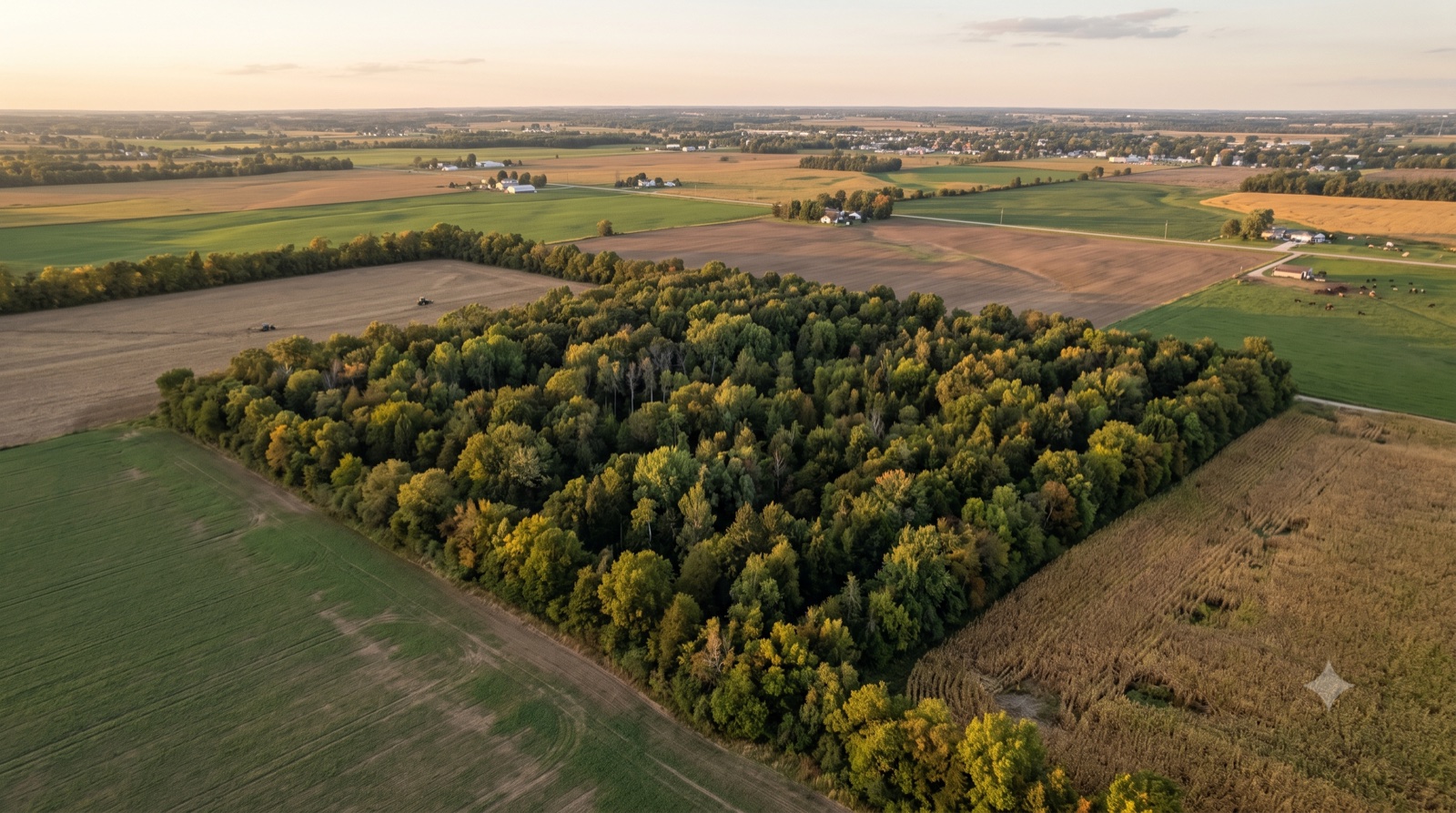
How to Sell Landlocked Land With No Road Access
Key Takeaways
- Landlocked land cannot be financed with a conventional mortgage: Fannie Mae and most lenders require legal road access as a condition of financing, which eliminates most retail buyers from the start
- You have four main legal paths to access: a recorded easement by agreement, an easement by necessity (court-established), a prescriptive easement (established through long use), or purchasing a strip of land from a neighbor
- Cash buyers and investors are your most realistic buyer pool: They can purchase without lender financing requirements, which is why landlocked parcels routinely sell to direct buyers rather than through traditional listings
Can You Sell Land That Has No Road Access?
Yes — landlocked land can be sold, but the buyer pool is dramatically smaller than for accessible property and most retail buyers cannot obtain conventional financing to purchase it. Whether you resolve access before selling or sell as-is to a direct buyer, understanding why landlocked status tanks marketability — and what options exist — lets you make the right call. This guide covers the legal access options, how landlocked status affects value and buyer pool, and the practical steps to move the property.
For a general overview of land sale timelines, see our guide on how long does it take to sell land.
What Does "Landlocked" Mean and Why Does It Create a Problem?
A landlocked parcel is one with no legal access to a public road. It is entirely surrounded by other privately owned land, and the owner has no recorded right to cross any neighboring property to reach a street or highway.
The practical problems cascade quickly:
- No mortgage financing: Lenders including Fannie Mae require that a property have legal road access before approving a purchase loan. No access means no conventional mortgage, which eliminates the majority of retail buyers.
- No development without access: Building permits in virtually every jurisdiction require road access. A parcel that can't be reached legally can't be built on legally.
- Insurance complications: Some property insurers are reluctant to cover a parcel emergency responders cannot reach.
- Utility connections are often impossible: Electric, water, and sewer lines generally follow road rights-of-way. No road access makes utility service unlikely.
The result is a property that almost no traditional buyer can use as intended, and that almost no lender will finance. The market for landlocked parcels is thin, and the discount to accessible comparable land can be substantial — though the exact impact varies significantly based on location, parcel size, and proximity to neighboring owners who might want it.
What Are the Legal Options for Getting Road Access?
Before you decide to sell as-is, it's worth understanding the four legal mechanisms that can establish road access. Resolving access before listing opens your property to the full retail market and conventional financing. Each option has different costs, timelines, and certainty levels.
Option 1: Recorded Easement by Agreement
The cleanest solution is negotiating a written easement with one of the neighboring landowners — a contractual right for you (and future owners) to cross their property to reach a public road, according to Cornell Law School's Legal Information Institute (LII). An easement by agreement is:
- Recorded in the county deed records, so it runs with the land and transfers automatically to future buyers
- Negotiated on whatever terms the parties agree to — width, location, permitted uses, compensation to the neighbor
- Permanent and enforceable once recorded
The challenge is that the neighbor must agree. Landowners with no incentive to grant access can simply refuse. If the neighboring parcel is owned by a motivated party — someone who wants to help you sell, or who would benefit from a shared access road — this is the fastest and most cost-effective path. Attorney fees for drafting and recording the easement are typically modest.
Option 2: Easement by Necessity
If your parcel was once part of a larger tract that had road access, and the landlocked condition was created when the original tract was subdivided or partially sold, courts in most states will impose an easement by necessity across the remaining parcel to provide access, according to LII's overview of easement by necessity.
Key requirements typically include:
- Common ownership of the landlocked parcel and the neighboring land at some point in history
- Access was severed when the parcels were split
- The landlocked parcel has no reasonable alternative access
An easement by necessity requires filing a court action. This takes time (months to over a year in some jurisdictions), involves legal fees, and outcomes are not guaranteed. But if the historical chain of title supports it, this can establish a legal easement even over a neighbor's objection.
Option 3: Prescriptive Easement
A prescriptive easement is established through long, continuous, open, and hostile use of a path across neighboring land — similar to the concept of adverse possession applied to a right-of-way, according to LII's prescriptive easement overview.
The required period of continuous use varies by state (often 5–21 years). The use must be:
- Open and visible (not hidden or secretive)
- Continuous for the statutory period
- Without permission from the neighbor (permissive use does not ripen into a prescriptive easement)
Prescriptive easements are notoriously fact-intensive and often difficult to prove without strong historical evidence (witnesses, photos, old surveys). They must typically be established through a quiet title action. This is the least predictable of the legal options and should only be pursued with an attorney familiar with the law of your specific state.
Option 4: Purchase a Strip of Land from a Neighbor
Sometimes the simplest solution is buying a narrow strip of land from a neighboring property owner that connects your parcel to a public road. Once you own the strip, you have deeded access — no easement required. The challenges:
- The neighbor must be willing to sell
- The strip must be wide enough for your intended use (most jurisdictions require a minimum road width for a buildable lot)
- The transaction involves its own title work, deed, and recording costs
A comparison of your options:
| Access Path | Neighbor's Consent Required | Court Action | Cost Level | Timeline |
|---|---|---|---|---|
| Recorded easement by agreement | Yes | No | Low–Medium | Weeks |
| Easement by necessity | No (court imposed) | Yes | Medium–High | Months–1+ year |
| Prescriptive easement | No (court imposed) | Yes | High | Months–1+ year |
| Purchase a strip | Yes | No | Varies | Weeks–Months |
Laws governing easements vary significantly by state. Always consult a real property attorney in the state where the land is located before pursuing any of these options.
How Does Landlocked Status Affect Value and Who Will Buy the Land?
Landlocked land is worth less than comparable accessible land — how much less depends on several factors:
- Size: A large acreage parcel may have some value even without access (timber, mineral rights, hunting if accessed informally from adjacent land you also own)
- Location: Landlocked parcels near development pressure or adjacent to large agricultural operations may attract neighboring buyers who already have access
- Neighboring landowners: If the adjacent land is owned by a farmer, timber company, or developer who wants to expand, they may value your parcel and be the most logical buyer
- Terrain: Extremely remote or difficult terrain compounds the access problem
Who Actually Buys Landlocked Property?
The realistic buyer pool for landlocked land falls into three categories:
-
Adjacent landowners: The single most common buyer. They already have road access, so your parcel is an expansion of their existing property rather than a standalone acquisition. They don't need a new easement — they already have access through their own land.
-
Cash investors and land buyers: Professional land buyers who purchase properties at a discount, speculate on access resolution, or assemble parcels don't need conventional financing. They evaluate landlocked parcels on their own terms and may see upside that a retail buyer wouldn't.
-
Hunters or recreationalists with adjacent access: In some regions, buyers who own or lease adjacent hunting land will pay for a landlocked parcel simply to control the territory, even without legal road access.
Conventional retail buyers who need a mortgage, want to build immediately, or need utility connections are effectively not in the market for a landlocked parcel.
Should You Resolve Access First or Sell the Land As-Is?
This is the core decision for landlocked landowners, and the right answer depends on your situation:
Resolve access first if:
- You have a cooperative neighboring landowner willing to grant an easement or sell a strip
- The cost of resolving access is small relative to the value increase it creates
- You have time and financial resources to fund a court action if needed
- Resolving access would allow the property to be financed and marketed to retail buyers
Sell as-is if:
- Neighboring landowners are uncooperative or unreachable
- The legal costs and timeline of court-imposed access don't pencil out
- You want to close quickly and avoid ongoing carrying costs (property taxes, liability)
- The parcel is remote enough that even with access the retail buyer pool would be thin
For a realistic view of what selling as-is typically involves and how to price your land for the market that actually exists, see our guide on how much is my land worth.
Jerez Land buys landlocked parcels directly. We evaluate the parcel on its actual characteristics — size, location, neighboring ownership, any historical access — and provide a firm written cash offer with a parcel-specific number. There are no commissions, no contingencies, and no financing requirements that could kill the deal. Request a no-obligation cash offer and we'll tell you what the land is worth to a direct buyer.
If you want to try a traditional listing first, see our guide on how to sell land by owner for the steps involved.
Frequently Asked Questions
Can I sell land with no road access?
Yes. Landlocked land can legally be sold, but the buyer pool is much smaller than for accessible property. Most retail buyers cannot finance a landlocked parcel, which means your realistic buyers are cash investors, adjacent landowners, or others who don't need conventional mortgage financing. The parcel can be sold as-is or after resolving access through a recorded easement, easement by necessity, or purchase of an access strip.
My land is landlocked — does it have any value?
Yes, but typically significantly less than comparable accessible land. The value depends on parcel size, location, what the land can be used for without access (timber, minerals, hunting territory for an adjacent landowner), and whether neighboring owners have interest in acquiring it. Landlocked parcels with motivated adjacent buyers may sell closer to market value; isolated remote parcels with no realistic access solution may be worth a fraction of accessible comparables.
I have landlocked property — who would actually buy it?
The most common buyers are adjacent landowners who already have road access and want to expand their holdings, cash investors and professional land buyers who don't need financing, and recreationalists (hunters, anglers) who own or access adjacent land. Conventional retail buyers who need a mortgage are effectively excluded because lenders require legal road access.
Can an easement by necessity help me access my landlocked land?
An easement by necessity is a court-imposed right of access created when a parcel becomes landlocked due to a severance from a larger tract that previously had road access. Courts in most states will grant access across the parcel that was split off (or retained), even without the neighboring owner's consent, if the common-ownership history and severance can be established, according to Cornell Law School's LII. It requires a court action and is not guaranteed.
Does landlocked land qualify for a mortgage?
Generally no. Fannie Mae and most conventional lenders require that a property have legal road access as a condition of purchase financing. Without a recorded easement or deeded access, conventional mortgage financing is not available. This is why the buyer pool for landlocked parcels is limited to cash buyers, investors, and adjacent owners who don't need lender financing.
How do I find out if my land is legally landlocked?
Review your deed and the title chain of record at the county courthouse or with a title company. Look for any recorded easements, rights-of-way, or access agreements in the deed records. A title search will reveal whether any legal access exists. A real property attorney or licensed surveyor can also review the chain of title and plat maps to confirm whether the parcel has recorded access.
Can a neighbor be forced to give me access to my landlocked land?
Possibly, through a court action for easement by necessity or prescriptive easement — but not automatically. An easement by necessity requires proving that your land was historically connected to the neighboring land and that access was severed. A prescriptive easement requires proving long, continuous, open, and hostile use over the statutory period. Both require a court proceeding. Laws vary significantly by state, so consult a real property attorney in the relevant state before filing.
Disclaimer: This article is for informational purposes only and does not constitute legal, financial, or professional advice. Easement law varies significantly by state and individual circumstances. Always consult a qualified real property attorney before making decisions about access rights or land sales. Jerez Land is not responsible for actions taken based on this information.