
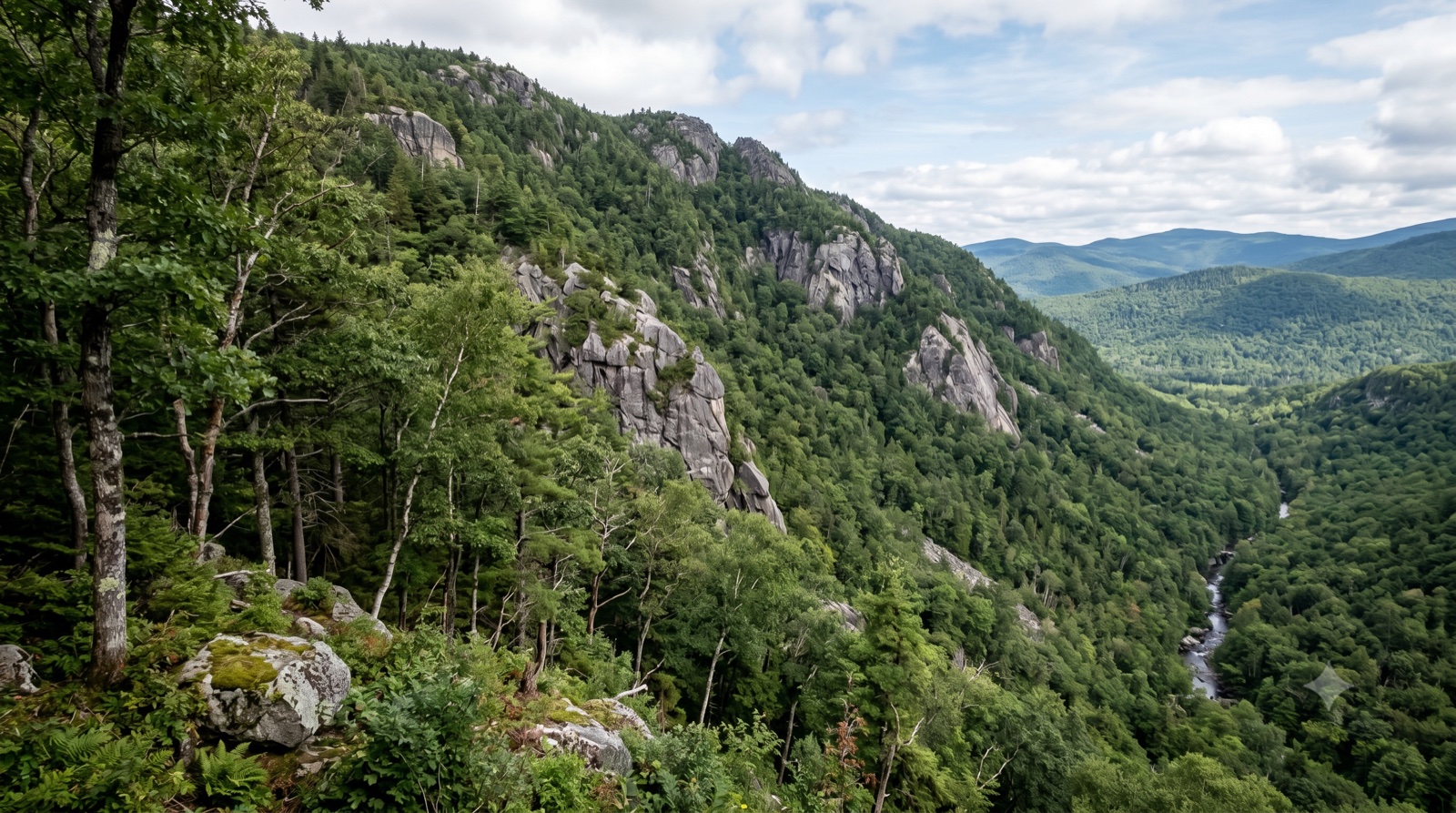
How to Sell Land That Can't Be Built On
Key Takeaways
- Unbuildable does not mean unsellable or valueless: Timber, hunting, conservation easements, wetland mitigation banking, and adjacency assemblage are active markets for parcels that cannot support permitted construction — and each of these use cases has buyers
- The reason a parcel is unbuildable determines who wants it: Steep slope and rocky terrain attract recreational buyers; wetlands attract conservation organizations and mitigation bankers; landlocked parcels attract adjacent owners; small zoning-minimum lots attract neighbors who want to expand
- Disclosure and honest marketing are essential: Overstating a parcel's potential leads to failed contingencies and wasted time; presenting unbuildable land to buyers who specifically want its actual use case closes deals faster
How to Sell Land That Can't Be Built On
Yes—unbuildable land sells regularly to buyers seeking timber, hunting, conservation easements, or property expansion. The key is reaching the right buyer category. Unbuildable land sells every day. The challenge is not that the land has no value — it is that most real estate agents, online listing portals, and retail buyers are oriented toward development potential. When a parcel lacks that potential, sellers often spend months on the wrong channels before discovering who actually buys what they have.
This guide covers the most common reasons land is unbuildable, what value still exists in each scenario, how to position and market the parcel honestly, and who buys land with no development path.
Why Is Land Considered Unbuildable?
"Unbuildable" is not a legal designation — it is a practical characterization based on a combination of physical, regulatory, and legal conditions that prevent a permitted residential or commercial structure from being constructed. Understanding the specific reason a parcel is unbuildable is essential, because different barriers attract different buyers.
Physical Conditions That Prevent Building
Steep slope: Many local zoning codes prohibit construction on slopes exceeding 25–30%, require expensive engineered foundations, or mandate erosion control plans that make development economically impractical. Mountainous and Appalachian-region parcels frequently fail this threshold.
Shallow bedrock: Building on bedrock requires blasting or pier-and-grade beam foundations, both of which dramatically increase construction costs. When the depth to bedrock is less than 5–6 feet across the entire parcel, conventional residential construction becomes cost-prohibitive for most buyers.
Wetlands: Parcels where the majority of the land area consists of Corps-jurisdictional wetlands under Section 404 of the Clean Water Act cannot be filled or developed without a federal permit. Obtaining a Section 404 individual permit is a lengthy process with no guaranteed outcome, according to USACE regulatory guidance.
Flood hazard: As covered in our companion guide on selling land in a flood zone, FEMA SFHA designation combined with local floodplain development restrictions can make construction impossible on a parcel.
Regulatory Conditions That Prevent Building
Minimum lot size / area requirements: Zoning codes establish minimum lot sizes for residential development. A parcel that is smaller than the zoning minimum — whether through subdivision history, lot-line adjustments, or inheritance — cannot support a new permitted structure as a standalone parcel.
Setback accumulation: Setback requirements from roads, property lines, streams, wetland edges, and utility easements sometimes collectively eliminate any buildable envelope on a small parcel. A 100-foot stream buffer, a 50-foot road setback, and a 10-foot side yard can consume an entire 1-acre parcel leaving no room for a structure.
Agricultural protection overlays: Some counties apply agricultural preservation or right-to-farm overlays that restrict residential development of large farm parcels, particularly in states with strong farmland protection programs (Oregon, Vermont, California, Maryland).
No road access: A landlocked parcel — one with no legal access to a public road — cannot receive a building permit in most jurisdictions. Landlocked land is addressed in our guide on selling landlocked land.
What Value Does Unbuildable Land Still Have?
The absence of residential development potential does not eliminate all value. In many cases, the same conditions that make land unbuildable make it valuable for other purposes.
| Reason Unbuildable | Remaining Value Category | Likely Buyer |
|---|---|---|
| Steep slope / rocky terrain | Hunting, hiking, scenic views, timber | Recreational buyer, adjacent owner |
| Wetlands (majority of parcel) | Waterfowl hunting, conservation easement, mitigation banking | Hunter, land trust, mitigation banker |
| Below zoning minimum area | Adjacency / lot expansion | Neighboring landowner |
| Landlocked | Adjacency / road access assemblage | Adjacent owner, cash investor |
| Setback-constrained narrow strip | Boundary expansion, utility buffer | Adjacent owner |
| Agricultural preservation overlay | Farming, grazing, timber | Agricultural operator, conservation buyer |
Timber Value
Standing timber on unbuildable parcels can represent significant value independent of the land's development potential. A licensed timber cruiser can appraise the commercial timber inventory on a parcel — species, volume, quality, and accessibility. Timber buyers, timber investment management organizations (TIMOs), and timber REITs purchase land specifically for its timber rotation value. The USDA Forest Service's timber sale program and private timber markets operate on parcels without any residential development pathway.
Conservation Easements and Conservation Sales
Land trusts and government agencies regularly purchase or accept donated conservation easements on unbuildable land. A conservation easement is a legal agreement that permanently limits development of a parcel in exchange for a charitable tax deduction equal to the difference between the unrestricted and restricted value, according to IRS Publication 561 and the Land Trust Alliance. For high-quality habitat, wetland, or scenic parcels, this can be a significant tax benefit — though the IRS has aggressively scrutinized syndicated conservation easement transactions since 2016, and only working with accredited land trusts and qualified appraisers is advisable.
Wetland Mitigation Banking
If the parcel contains high-quality wetlands, it may qualify as a wetland mitigation bank or as mitigation credit for another developer's Section 404 permit. Mitigation banking is a regulated market in which restored or preserved wetlands generate credits sold to developers who need to offset permitted wetland impacts elsewhere. The EPA and Corps of Engineers regulate mitigation banking under 33 CFR Part 332. This is a specialized use that requires an approved mitigation banking instrument, but for qualifying parcels it can produce income over a multi-year period.
How Do You Market Unbuildable Land?
Match the marketing channel to the buyer who actually wants an unbuildable parcel: hunting and recreational land platforms for timber and habitat buyers, direct outreach to adjacent landowners, land trusts for conservation-value parcels, or direct cash buyers for an as-is sale — not a residential agent or generalist MLS listing that assumes development potential the parcel doesn't have. If you want to skip the marketing process entirely, request a no-obligation cash offer from Jerez Land — we buy unbuildable land in any condition, including parcels with wetlands, steep slopes, no access, and zoning restrictions.
Match the Marketing to the Actual Buyer
The most common mistake sellers of unbuildable land make is listing with a residential real estate agent or on a generalist MLS at a price that assumes development potential. Buyers who find the listing discover the unbuildable status during due diligence and withdraw — repeatedly. Meanwhile the parcel accumulates days-on-market, which itself becomes a negative signal.
Effective channels for unbuildable land include:
Hunting and recreational land platforms: AcreTrader, Mossy Oak Properties, United Country Real Estate, and regional hunting land specialists list recreational parcels to buyers who specifically want timber, habitat, and access — not building sites. These platforms have active audiences for rocky, steep, and wetland-dominated parcels.
Adjacent landowner outreach: The most motivated buyer for a landlocked, setback-constrained, or undersized parcel is often the person whose property borders it. A direct letter or call to adjacent owners before a public listing frequently produces faster results and simpler transactions.
Land trusts and conservation organizations: If your parcel has habitat, watershed, or scenic significance, contact local land trusts (findable through the Land Trust Alliance directory at landtrustalliance.org) directly. They move on timelines that match their funding cycles, but they also buy parcels that no other buyer would want.
Direct cash buyers: Companies like Jerez Land purchase unbuildable land as-is, nationwide. We account for the parcel's actual characteristics — timber, access, terrain, use limitations — in a firm written offer. See are we buy land companies legit for an overview of how direct buyers operate.
What Should You Realistically Expect When Selling Unbuildable Land?
Honest Valuation First
Before approaching any buyer, understand what your parcel is worth based on its actual use case. A 50-acre steep timber tract in the Ozarks has value, but that value is set by timber prices, access quality, and what recreational buyers in that region are paying — not by what residential lots in the adjacent subdivision trade for. See how much is my land worth for a framework.
Carrying Costs Are Real
Unbuildable land still carries property taxes, liability exposure, and in some states, weed control or abatement obligations. If you have outstanding taxes, address them before marketing — see sell land with back taxes for options. The longer a parcel sits, the more carrying costs accumulate.
Days-on-Market for Unbuildable Land
Specialty land parcels — including those with building limitations — take longer to sell through traditional channels than developable lots, according to the National Association of Realtors' Land Market Survey. The narrower buyer pool means fewer showings and longer exposure periods. Direct cash sales to buyers who specialize in this category close faster because no contingency period is needed for due diligence, financing, or inspection.
How Do I Sell My Unbuildable Parcel As-Is?
If your unbuildable land is costing you more in taxes and insurance than it produces, Jerez Land makes firm written cash offers on parcels in any condition — steep slopes, wetlands, landlocked, zoning-constrained, or any combination. No listing, no agent commissions, no open-ended due diligence contingencies.
Request a no-obligation cash offer and receive a specific written number based on your parcel's actual characteristics.
Frequently Asked Questions
I have land that can't be built on—who would buy it?
Recreational buyers, hunters, timber investors, adjacent landowners, conservation organizations, land trusts, and direct cash buyers all purchase land that cannot be built on. The right buyer depends on what makes the parcel unbuildable: wetlands attract conservation buyers, steep terrain attracts recreational hunters, landlocked parcels attract adjacent owners, and undersized lots attract neighbors. See are we buy land companies legit.
My unbuildable land is costing me in taxes—is it worth anything?
Yes. Timber, hunting, fishing, conservation, scenic value, wetland mitigation banking, and adjacency assemblage all represent real value in land that cannot support permitted construction. The question is not whether value exists but which buyer category values what the parcel actually is. See how much is my land worth.
Can I get a conservation tax deduction for donating or selling easement rights on unbuildable land?
Potentially yes. Conservation easement donations can generate a charitable deduction equal to the difference in the property's value before and after the easement, according to IRS Publication 561. The parcel must have genuine conservation value (habitat, water quality, scenic, historic, or open space), and the donation must go to an accredited land trust or government entity. Consult a tax professional before proceeding.
How do I find the adjacent landowner to sell my landlocked or undersized parcel?
County assessor and GIS portals list property ownership by parcel. Search your parcel on the county assessor's website, then look up all adjacent parcels by their APN or tax ID numbers. County recorder or clerk offices provide contact information for owners of record. Our guide on selling landlocked land covers this process in more detail.
My land is below the zoning minimum—can I get a variance to build?
Sometimes. Zoning variances allow exceptions to minimum lot size, setback, or use requirements when a landowner can demonstrate practical difficulty or unique hardship. The local zoning board of appeals hears variance requests. Success depends on the nature of the restriction, local precedent, and the quality of the application. A variance is not guaranteed and the process can take 6–18 months, according to the American Planning Association.
I'm selling unbuildable land—do I need a realtor?
Not necessarily. Many unbuildable parcels sell directly to adjacent owners or through cash buyers without agent involvement. Agents earn commissions (typically 5–10% for land) and specialize in buyers who want development potential — neither of which benefits sellers of unbuildable parcels in most cases. Read do you need a realtor to sell land for a full breakdown.
Disclaimer: This article is for informational purposes only and does not constitute legal, financial, or professional advice. Laws and regulations vary by jurisdiction and change over time. Always consult with qualified professionals before making land purchase or sale decisions. Jerez Land is not responsible for actions taken based on this information.