
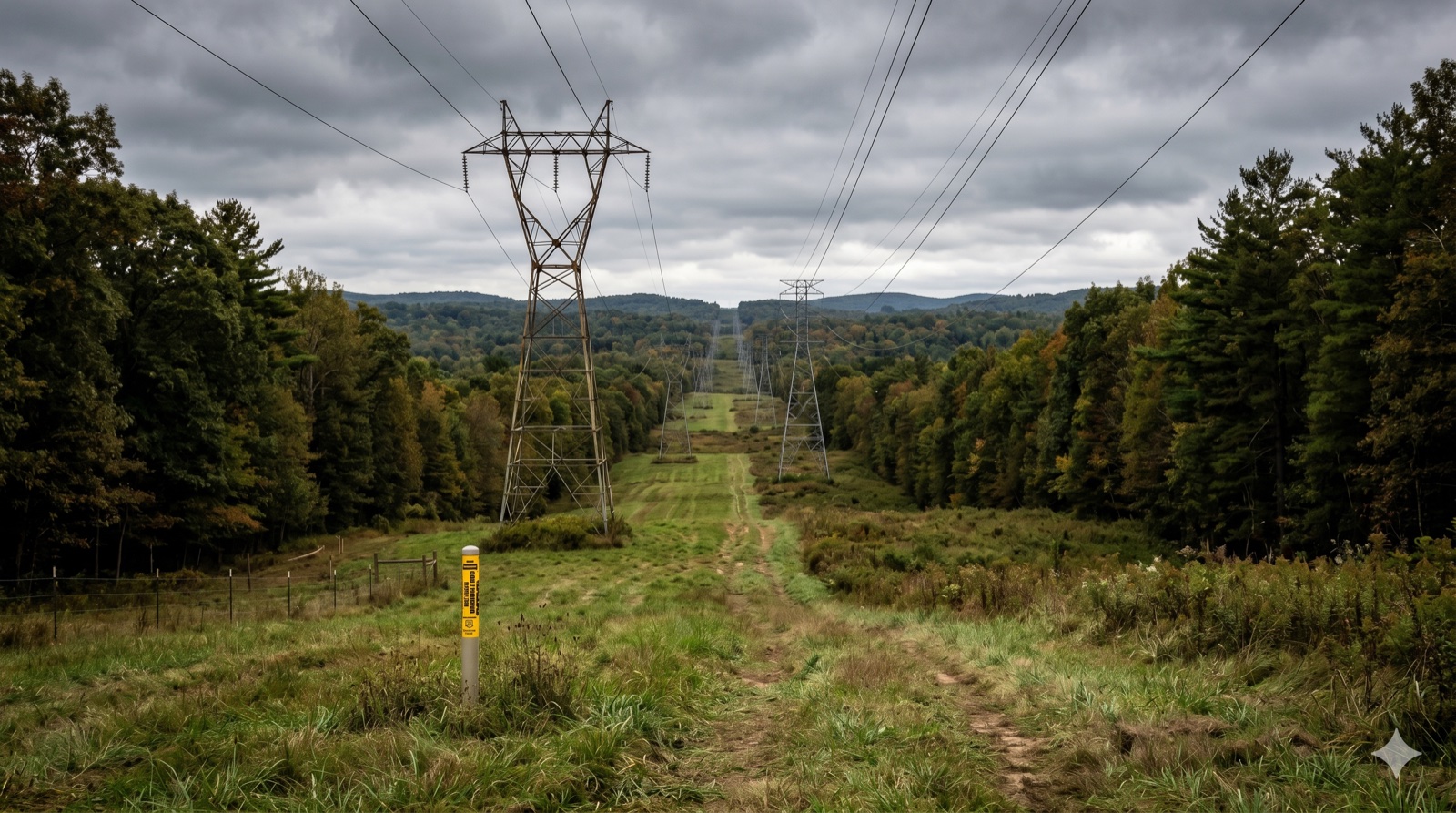
My Septic Drainfield Is on My Neighbor's Land — Can I Still Sell?
Key Takeaways
- An unrecorded septic or well arrangement is usually not something a title company will insure. A survey lets an insurer "eliminate the 'survey exception' on the policy," according to Stoll Keenon Ogden's explanation of ALTA surveys — without one, or without a recorded easement, the location of an off-site system stays an open exception on the title commitment.
- A federal "public water system" threshold exists, and most two-house shared wells fall under it. EPA defines a public water system as one that "provides water for human consumption through pipes or other constructed conveyances to at least 15 service connections or serves an average of at least 25 people for at least 60 days a year" — below that, a shared well is generally a state or county health department matter, not an EPA-regulated system.
- A real North Carolina case shows exactly how this fails at closing. A homeowner trying to sell found the county wouldn't approve the sale because a decades-old septic line ran under a neighboring vacant lot; the neighbor refused to sell the lot, refused an easement, and the only approved fix was relocating the septic system and well entirely — a cost the seller reported as a substantial fraction of what she had originally paid for the property, per Yahoo Finance's reporting on the dispute.
My Septic Drainfield Is on My Neighbor's Land — Can I Still Sell?
Yes, but only if you deal with it before your buyer's title company does. When a septic drainfield, line, or well physically sits on a neighboring parcel — under an old family understanding, a recorded easement too vague to insure, or no paperwork at all — a title company or a buyer's lender will generally require a recorded, definite easement or a survey confirming one before they'll close, and an informal or unrecorded arrangement is usually not enough on its own.
This situation shows up constantly on older rural parcels. A family splits a farm into two or three tracts decades ago and the well or septic system installed for the original house ends up serving, or sitting under, whichever tract didn't get the dwelling. A lot gets subdivided after the drainfield was already in the ground, and nobody thought to draw a line around it or put anything in writing. Two houses share a single well because drilling a second one seemed unnecessary at the time. None of that was a problem for years — sometimes decades — because nobody was trying to sell, get a mortgage, or get title insurance. The problem surfaces the moment someone tries to do any of those three things, because that's when a professional whose job is to spot exactly this kind of gap starts asking who has the legal right to what's actually in the ground.
This is a different problem than the other neighbor-arrangement posts on this site, and it's worth being precise about which one you're actually dealing with. It isn't a drainage tile easement or agreement, which is about agricultural field water management, not a septic or water-supply system. It isn't a shared or private road maintenance agreement either — that governs above-ground access, not underground utility infrastructure. It's also not a failed perc test, which is about whether your own soil can support a septic system that doesn't exist yet; your system already exists, it's just not on your land. And it's the mirror image of an abandoned or unplugged water well — that guide covers an old, unused well that's a hazard; this one covers an active well or septic system that someone is actively relying on, sitting in the wrong place on paper. For more situations like this, see the Jerez Land blog.
The rest of this guide walks through how these arrangements happen, what a title company actually needs to insure over one, the instruments that fix it, why leaning on an implied or prescriptive easement is weaker than it sounds, what shared wells specifically trigger under federal and state rules, and what your real options are if the neighbor says no.
How Did My Septic System or Well End Up on Someone Else's Land in the First Place?
This almost always traces back to how the land was divided, not to anything anyone did wrong at the time. The most common path is a family farm or larger tract split into two or more parcels after a house, well, or septic system was already installed — the split drew a line that never accounted for what was already in the ground, and the drainfield or well ended up on whichever side didn't keep the house.
A second common path is a well drilled to serve one house that later, informally, got extended or tapped to serve a second house nearby — sometimes a family member's place next door, sometimes a tenant house — because drilling a second well felt like an unnecessary expense at the time. A third is simpler still: a septic system installed decades ago under a verbal understanding between two neighbors who knew each other well, with no survey ever pulled and no easement ever drafted, because the system worked and nobody anticipated a sale, a refinance, or a change in who owned the neighboring lot. In every version of this, the system usually keeps working for years. What doesn't hold up is the paper trail behind it — and that gap is invisible until a title search, a lender, or a buyer's attorney goes looking for it.
Does an Easement Actually Exist, or Is It Just an Old Understanding?
A legal right to the septic system or well on a neighboring parcel exists in one of four forms: an express easement that was drafted and recorded; an implied easement, which can arise from how the properties were used together before they were split into separate ownership; a prescriptive easement, built from open, continuous use for whatever period the state requires; or nothing at all — a revocable license based on nothing but goodwill between neighbors. FindLaw's overview of express and implied easements lays out the first two categories directly: an implied easement can arise from prior use when a single tract is divided and the use of one part for the benefit of the other was apparent and intended to continue.
Most sellers in this situation are in the fourth category, whether they realize it or not. The septic system or well has worked for years, the neighbor has never objected, and that track record feels like it should count for something — but "it's always worked and nobody's complained" is not the same legal fact as "there is a recorded document a title company can point to." Treat the honest starting assumption as "this is probably a license, not an easement," and let a title search or an attorney upgrade that assessment if the facts support it — don't assume the upgrade in advance.
What Will a Title Company Actually Require to Insure This?
A title company generally needs one of two things before it will insure over an off-site septic or well arrangement: a recorded easement with a specific, mapped location and defined scope, or an ALTA/NSPS land title survey that physically locates the system and lets the insurer either clear the survey exception or issue a specific endorsement addressing it. Stoll Keenon Ogden's explanation of ALTA surveys is direct about the mechanism: the survey "will allow the title insurance company to eliminate the 'survey exception' on the policy, which excludes from coverage any items that would be discovered by a survey," and it shows "the location and width of all easements and encumbrances" so the insurer isn't guessing at what's actually on the ground.
What a title company generally will not do is insure over a bare, unrecorded understanding. Landtrust Title Services puts the limitation plainly: "easements not recorded or included in any public record may not be covered" by a title policy. That's the core mechanical problem with a handshake septic or well arrangement — it isn't that the system doesn't work, it's that there's nothing in the public record for a title examiner to rely on, and nothing a survey alone can convert into an enforceable legal right. A survey can locate the system and prove it exists; it can't manufacture the easement that makes using it legal. Those are two separate jobs, and sellers who get a survey without also getting a recorded easement often discover that at the worst possible moment — during underwriting, a few weeks before a scheduled closing.
Why Isn't an Implied or Prescriptive Easement Good Enough to Close With?
An implied or prescriptive easement can be a real legal right, but establishing one generally requires a lawsuit — a quiet title or declaratory judgment action — rather than a document you can hand to a title company, and that process is too slow and uncertain for almost any transaction timeline. Guerra Days' overview of quiet title actions describes exactly this use: a quiet title or declaratory judgment action is the vehicle courts use to resolve competing claims to an easement, including a claim to establish a prescriptive easement, when the parties can't agree.
That distinction matters more than it sounds like it should. A prescriptive easement theory might be legally sound — the FindLaw overview on necessity and permissive easements confirms these arise from open, continuous use for a period set by state law — but "legally sound in theory" and "insurable at closing next month" are different questions entirely. A buyer's lender is not going to wait out a quiet title lawsuit that could take months to resolve, and a cash buyer who's willing to wait is pricing that uncertainty into the offer regardless. If you're several years into a good relationship with the neighbor and the system has functioned without incident, that history is useful evidence if a dispute ever actually goes to court — it is not, by itself, something a title company can write a policy against today.
What Actually Fixes This Before I List — What Do I Ask the Neighbor For?
The fastest, cleanest fix is a recorded easement agreement signed by both landowners before you list, specifying the system's exact location, who can access it and for what (inspection, pumping, repair, replacement), who pays for maintenance, and what happens if the system needs to be relocated. That single document converts an invisible, undocumented arrangement into something a title company can actually underwrite — which is the whole goal, since the title company's requirements are what will otherwise stall or kill a financed sale.
A few other instruments solve the same underlying problem in different ways, and which one fits depends on your situation and your neighbor's willingness to deal:
- A well-sharing or water-use agreement works the same way as a septic easement but for a shared well — it should spell out usage rights, cost-sharing for maintenance and repairs, and what happens if one party sells.
- A boundary line adjustment moves the property line itself so the system ends up on the parcel it actually serves — a permanent fix rather than a rented right, but one that requires both owners' cooperation and typically a new survey and recorded plat.
- Buying the strip of land outright — as the North Carolina seller in the case below offered to do — removes the neighbor-dependency question entirely, if the neighbor is willing to sell.
Approach the neighbor with a specific written proposal, not a vague request, and do it before you list rather than after an offer is already on the table. A seller negotiating from "I'd like to fix this before we go to market" has more leverage and more time than a seller negotiating from "my buyer's lender just kicked this back and we're supposed to close in three weeks." Paperwork typically needed to sell land covers how a new easement or agreement fits into a standard closing package once you have one.
What Happens If the Neighbor Says No?
Sellers get turned down, and it's a real, not hypothetical, outcome — a Yahoo Finance report on a North Carolina homeowner's sale describes exactly this. Her septic line had run under a neighboring vacant quarter-acre lot since the 1970s, and the arrangement had never caused a problem until she went to sell. The neighbor, who had owned the vacant lot since 2005, refused to speak with her directly, rejected her offer to buy the lot outright, and rejected her offer to pay for a formal easement. The county would not approve the sale with the line unresolved, and the only path the county would accept was relocating the septic system and well entirely — a cost she reported as roughly a third of what she had originally paid for the property.
That case illustrates the real range of outcomes when a neighbor won't cooperate. If a boundary adjustment, easement, or well agreement isn't on the table, your realistic paths are: install an entirely new, on-site system if your parcel has room to permit one — which the North Carolina case shows can run into real money — market the property with the situation fully disclosed to a buyer willing to accept the risk without financing contingent on it, or sell to a buyer who underwrites that risk directly rather than requiring it resolved first. None of those is free, and none of them is a reason to hide the issue — a buyer who finds out about an unresolved off-site septic or well situation after making an offer is a buyer who walks, and one who finds out before making an offer is a buyer who can actually close.
Does This Turn Into an EPA "Public Water System" Problem If a Well Serves More Than One House?
Almost never, for the ordinary two-house shared well most sellers are dealing with — but it's worth knowing exactly where the federal line sits so you're not caught off guard by the phrase if it comes up. EPA defines a public water system as one that "provides water for human consumption through pipes or other constructed conveyances to at least 15 service connections or serves an average of at least 25 people for at least 60 days a year." A well serving two houses, or even three or four, sits well under both thresholds — it's a private arrangement between the parties involved, not a federally regulated public water system.
What that means for a seller is that the EPA threshold is almost never the actual issue in a shared-well sale — the issue is the same one that applies to an off-site septic system: is there a recorded, enforceable right to use and maintain the well, and can a title company insure over it. Below the federal threshold, oversight of private wells — construction standards, water testing expectations, and whatever a county requires before a sale involving a shared well can close — falls to state and county health departments, and those requirements vary significantly by state and even by county. Confirm what applies to your specific well with the local health department rather than assuming either "too small to matter" or "definitely regulated" without checking.
Do I Have to Tell a Buyer About This Before They Make an Offer?
Yes — treat an off-site or shared septic and well arrangement as a material fact you disclose in writing, the same way you'd disclose a boundary dispute or a lien, though the exact form that disclosure takes depends on your state and on whether your parcel is vacant land or has a dwelling on it. The Land Geek's overview of vacant land disclosure rules notes that "in some states, the form is mandatory for residential property but optional for land-only transactions" — which means the statutory checkbox form that applies to a house sale may not automatically apply to your vacant parcel, even though the underlying duty to be honest about a known, material condition doesn't disappear just because the mandatory form doesn't reach vacant land.
Virginia is a useful example of how these statutes are actually written: the state's Residential Property Disclosure Act framework is explicitly built around residential dwellings, and disclosure statements there commonly note that "the owner makes no representations with respect to the presence of any wastewater system" beyond what's stated — which underscores why relying on a generic disclosure form to cover this specific issue is a mistake. The safer approach, regardless of which statutory form technically applies to your transaction, is the same one that applies to every undocumented easement situation: put in writing exactly what you know — that the system exists, roughly where it sits, whether there's anything in writing about it, whether the neighbor relationship is good or strained, and whether there's ever been a dispute. The Land Geek's guide is blunt about the downside of skipping this: undisclosed easement problems "have resulted in rescinded contracts," and a buyer who discovers an unresolved off-site septic situation after signing has every reason to walk.
Off-Site Septic vs. Shared Well vs. Undocumented Arrangement — How Do They Compare?
The legal strength of your situation depends less on what the system is than on what kind of right backs it up. Here's how the main categories compare for insurability, lender acceptance, what it takes to fix, and how long a fix typically takes:
| Arrangement type | Will a title company insure it? | Will a lender accept it as-is? | What it takes to fix | Typical timeline to fix |
|---|---|---|---|---|
| Recorded easement, specific location and scope | Generally yes | Generally yes | Nothing — already documented | Already in place |
| Recorded easement, vague or undefined terms | Often no, without a survey | Usually requires clarification first | ALTA survey plus, often, an amended or new easement | Weeks to a couple of months |
| Unrecorded / handshake understanding | No | No | Negotiate and record a new easement, well agreement, or boundary adjustment with the neighbor | Weeks to months, if the neighbor cooperates |
| Prescriptive or implied easement (unestablished) | No | No | Quiet title or declaratory judgment lawsuit to establish the right | Many months to over a year |
| No arrangement at all, neighbor uncooperative | No | No | New on-site system, buy the strip, or sell disclosed and as-is to a buyer who accepts the risk | Varies — can mean tens of thousands in relocation cost, or a direct sale in weeks |
What Are My Realistic Options for Selling With This Unresolved?
You generally have three paths: fix it before you list by getting a recorded easement, well agreement, or boundary adjustment in place; list it disclosed and as-is and accept that it narrows your buyer pool to those comfortable with the risk; or sell directly to a cash buyer who underwrites the situation instead of requiring it resolved first.
Fixing it before listing is the strongest option whenever your neighbor relationship allows it and you have time before you need to close — it removes the issue permanently rather than passing it to the next owner, and it opens your sale up to financed buyers whose lenders would otherwise require the same fix before funding. Listing disclosed and as-is works when the neighbor won't cooperate but the system itself is functioning fine — you're trading a smaller buyer pool for not having to force a resolution you can't control. Selling directly removes the financing contingency from the equation entirely: a firm, individually priced written offer from a direct buyer like Jerez Land isn't waiting on a lender's title requirements, an ALTA survey, or a neighbor's signature the way a financed retail sale is — the buyer absorbs the carrying cost, the marketing time, and the resale risk that come with an unresolved off-site utility situation. Request a no-obligation cash offer and we'll talk through what you actually know about the system, what's realistic to fix before a sale, and what a straightforward sale looks like for your specific parcel. For more guides like this one, visit the Jerez Land blog.
Frequently Asked Questions
I'm selling 5 acres and the title company just told me my well is actually on the neighbor's side of the line — what do I do?
Start by confirming exactly where the boundary and the well actually sit — a fresh survey will settle that question definitively. If the well is confirmed to be on the neighbor's parcel, you need either a recorded well-sharing agreement or easement specifying your right to use and maintain it, or a boundary line adjustment that moves the line to include the well on your side. Approach the neighbor with a specific written proposal for whichever fix fits your situation, and do it as soon as you know, since a title company generally won't clear this exception without one of those two fixes in place.
My septic drainfield has been on my neighbor's vacant lot since the 1970s with no written agreement — can I still sell, or is this a dealbreaker?
You can still sell, but it isn't guaranteed to close smoothly, and it can become a real dealbreaker if the neighbor refuses to cooperate — a North Carolina homeowner in exactly this situation had her sale blocked by the county when her neighbor refused both to sell the affected lot and to grant a formal easement, and the only county-approved fix was relocating the entire system at substantial expense. Try to formalize a recorded easement with the neighbor before you list. If they won't cooperate, your remaining options are installing a new on-site system if your parcel has room to permit one, or selling disclosed and as-is to a buyer willing to accept the risk.
Our recorded easement for the shared septic system doesn't actually say where the drainfield is or who's responsible for repairs — is that going to be a problem?
Yes, treat it as a real problem rather than a technicality. A recorded easement with vague or undefined terms often isn't enough for a title company to insure without an additional ALTA survey pinpointing the system's actual location, and it leaves open exactly the kind of maintenance and cost-sharing disputes that surface at the worst time — during a sale. The fix is usually a new survey plus an amended or supplemental easement that specifies the location and the maintenance terms explicitly, ideally done before you list rather than in response to a lender's objection.
Is a well that serves my house and my neighbor's house considered a "public water system" that the EPA regulates?
No, not at that scale. EPA's definition of a public water system requires "at least 15 service connections or... an average of at least 25 people for at least 60 days a year" — a well serving two houses is far below that threshold and isn't federally regulated as a public water system. Oversight of a private shared well that small falls to your state or county health department instead, and their specific requirements for construction, testing, and what a sale involving the well may require vary by location, so confirm directly with the local health department rather than assuming either way.
I've relied on the fact that this system has worked fine for 20 years without anyone objecting — isn't that enough to protect me?
Not for closing purposes, even though that history isn't worthless. Long, uninterrupted, open use is exactly the kind of fact that can support a prescriptive or implied easement claim — but establishing that right generally requires a quiet title or declaratory judgment lawsuit, not just a track record you can point to. A buyer's lender isn't going to wait out that lawsuit, and most title companies won't insure over an easement that hasn't actually been established yet, no matter how long the informal arrangement has held up.
Do I have to disclose a septic or well arrangement on a neighboring parcel if I'm selling raw vacant land with no house on it?
Generally yes as a matter of honesty, even though the specific statutory disclosure form your state requires may not technically apply to vacant land the way it applies to a residential sale. Some states make their standard disclosure form optional or inapplicable for land-only transactions, but that gap in the mandatory form doesn't remove the underlying risk of hiding a known, material fact — an undisclosed septic or well arrangement that surfaces during a buyer's own diligence can unwind a contract regardless of which form technically governed the sale. Put what you know in writing before you have a buyer under contract.
Disclaimer: This article is for informational purposes only and does not constitute legal, environmental, or professional advice. Laws and regulations vary by state and county and change over time. Always consult a licensed real estate attorney, a title company, and your local health department before making decisions about septic or well easements, disclosure obligations, or a property transaction affected by one. Jerez Land is not responsible for actions taken based on this information.