
How to Sell Land to Your Neighbor (Step by Step)
Key Takeaways
- The neighbor is often your most motivated buyer — an adjacent owner already knows the land, may want it for privacy, expansion, or access, and you skip the cost and delay of marketing to strangers
- Selling a piece of your parcel to a neighbor usually requires a lot line adjustment or parcel split — not just a deed — because you're changing what's on the county tax roll, according to AcreValue
- A neighbor sale can stall, get lowballed, or fall apart — if your neighbor drags their feet or backs out, a direct cash buyer gives you a firm written offer on your specific parcel and a definite close date as a reliable backup
How Do You Sell Land to Your Neighbor?
Selling land to a neighbor involves four key steps: agreeing on what's being sold and the price, surveying and adjusting boundaries if you're splitting the parcel, putting the terms in a purchase agreement with the proper deed, and recording it at the county. Selling land to the person who lives or owns next door is one of the most natural transactions in real estate — and often one of the smoothest. The neighbor already knows the property, may have wanted it for years, and there's no marketing, no showings, and no waiting for an out-of-town buyer to discover your listing. But "easy" doesn't mean "informal." Whether you're selling your whole parcel or carving off a strip along the fence line, the sale still needs a purchase agreement, a proper deed, and recording at the county — and if you're splitting off a piece, an extra layer of survey and government approval.
This guide walks through the step-by-step process: how to approach the neighbor, how to handle surveys and lot line adjustments, how to agree on a price, and how the deed gets prepared and recorded. It also covers what to do when a neighbor stalls or lowballs. If you're specifically trying to sell only a portion of your land, our companion guide on how to sell part of your land goes deeper on the subdivision side.
Step 1: Approach the Neighbor (and Decide What You're Selling)
Before any paperwork, you need two things settled: who you're talking to, and exactly what's changing hands.
Have the Conversation First
A direct, low-pressure conversation usually works best. Many neighbors have already thought about buying the land next to them — for more privacy, a buffer from future development, room to expand a garden or pasture, better road access, or simply to control what gets built beside them. Let them know the land is available, that you'd rather sell to someone local who already cares about it, and that you're open to discussing terms. Keep it friendly and concrete: which parcel, roughly how much land, and an invitation to talk numbers.
Whole Parcel vs. Splitting Off a Piece
The single biggest decision is whether you're selling:
- The entire parcel — the cleanest path. The existing legal description and parcel boundaries don't change; you simply transfer the whole lot by deed.
- A portion of your parcel — for example, the back acre, a strip along the shared fence, or the corner with road frontage. This is more involved because you're changing what exists on the county tax roll.
When you sell only a slice to a neighbor, most jurisdictions require either a lot line adjustment (also called a boundary line adjustment) or a parcel split — covered in the next section. Selling the whole parcel skips all of that.
Step 2: Surveys, Lot Line Adjustments, and Parcel Splits
If you're selling your whole parcel, you can often skip to the price and paperwork. If you're carving off a piece, this is where most of the time and cost lives.
Lot Line Adjustment vs. Parcel Split
These two processes sound similar but are treated very differently by counties:
| Process | What It Does | County Treatment |
|---|---|---|
| Lot line adjustment | Moves land from one existing parcel to an adjoining parcel; no new lot is created | Lighter review — staff-level approval, lower fees, fewer notices, according to Real Estate Law Corporation |
| Parcel split / subdivision | Divides one parcel into two or more new parcels, each with its own tax ID and address | Heavier review — full subdivision process, may require a recorded parcel map |
A lot line adjustment keeps the same number of lots on the tax roll, while a subdivision creates at least one new parcel that needs its own address, tax ID, and assessment, according to AcreValue. Because no new lot is born, counties generally treat lot line adjustments as a lighter lift than a full split.
Selling a piece of your land to an adjacent owner is one of the classic uses of a lot line adjustment: you remove the strip from your parcel and add it to your neighbor's existing parcel — no new lot, just a redrawn line, per Crest Real Estate.
You'll Likely Need a Survey
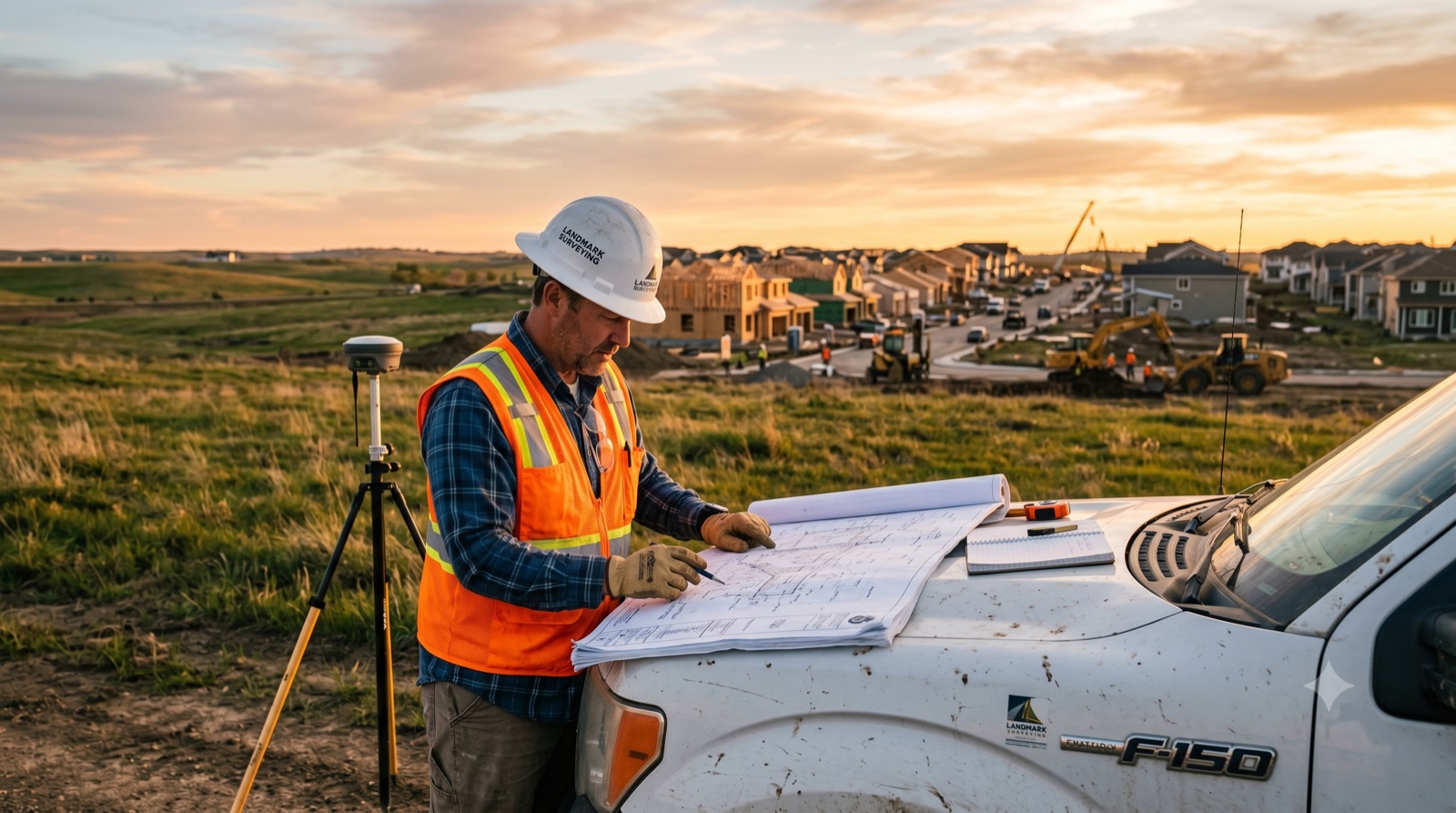
When boundaries change, a licensed surveyor typically maps both properties and prepares the new legal descriptions and a record-of-survey map that gets filed with the county. The surveyor's work defines exactly what's being conveyed and prevents future boundary disputes — a common source of friction between neighbors, as FindLaw notes. Both owners usually must agree to and sign off on the adjustment, and the change must comply with local zoning and minimum-lot-size rules.
For a fuller picture of whether you need a survey at all — and when you can skip it — see our guide on whether you need a survey to sell land.
Check Zoning and Minimum Lot Size
Counties enforce minimum lot sizes. If carving off a piece would leave either your parcel or your neighbor's below the minimum, the adjustment can be denied. Confirm with the county planning department before promising your neighbor anything specific.
Step 3: Agree on Price, Put It in Writing, and Prepare the Deed
Once you both know what's being sold, you settle terms and move the title.
Agreeing on a Price
Pricing a neighbor sale is its own negotiation. Stay confident in your land's value and keep the conversation professional, according to Land.com — but be realistic. A neighbor buying a small back strip is buying it for utility, not as a buildable lot, so the value of a sliver may be modest. If you don't know where to start, our guide on how much your land is worth explains the factors that drive value. Avoid anchoring on a number you can't support; a price that's clearly above what the land is worth to the neighbor is the fastest way to stall the deal.
Some neighbor sales use owner financing or a land contract, where the buyer pays over time and you keep title until it's paid off, per Nolo. That can bridge a price gap, but it also means you carry the risk and the wait — which is why many sellers prefer a clean, all-cash close.
Put It in a Purchase Agreement
A handshake isn't enough, even with a neighbor you trust. A written purchase agreement should spell out the price, the exact land being conveyed (referencing the new legal description if there's an adjustment), who pays for the survey and closing costs, the closing date, and any contingencies. For the broader list of documents a land sale involves, see what paperwork is needed to sell land, and for who customarily covers each expense, see who pays closing costs when selling land.
Prepare and Sign the Right Deed
The deed is the document that actually transfers ownership. The two most common are:
- Warranty deed — the seller guarantees clear title and defends against prior claims. This gives the buyer the most protection.
- Quitclaim deed — transfers only whatever interest the seller has, with no guarantees. Quitclaims are common between parties who know each other — such as neighbors or family — but they offer the buyer less protection.
Which one fits depends on the situation; our guide on quitclaim vs. warranty deed when selling land breaks down the trade-offs. In either case, the deed must be signed and notarized to transfer title, according to Land.com.
Record the Deed at the County
The signed, notarized deed is recorded in the office of the county recorder or clerk where the land sits. The deed must include the correct legal description and meet the county's formatting requirements; recording fees and any transfer taxes are paid at filing. Recording makes the transfer part of the public record and protects the new owner's ownership. If you handled a lot line adjustment, the record-of-survey map is filed alongside it.
Your Options When the Neighbor Deal Stalls
A neighbor sale is great — when it actually closes. In practice, these deals often drag or fall apart, and it helps to know your alternatives:
Option 1: Keep working with the neighbor. If they're genuinely interested and just slow, patience may pay off. Get the survey done, put the terms in writing, and give them a clear deadline to decide. A written purchase agreement with a closing date turns a vague "maybe someday" into a real transaction.
Option 2: Open it up to the wider market. If the neighbor lowballs you or goes quiet, you can list the parcel for sale by owner or with an agent. This widens your buyer pool but reintroduces marketing time, showings, and the uncertainty of waiting for the right buyer. Our guide on how to sell land by owner covers that route.
Option 3: Sell directly to a cash buyer. When a neighbor stalls, lowballs, or backs out — and you want speed and certainty — a direct cash buyer like Jerez Land is a reliable backup. We evaluate your specific parcel and present a firm written cash offer, with no haggling, no commissions, and a definite close date. Because we absorb the carrying, marketing, and resale risk ourselves, you don't have to wait and hope the neighbor comes around.
Request a no-obligation cash offer and we'll review your property and give you a real number to compare against. Many sellers use a cash offer as a benchmark — if the neighbor beats it, great; if not, you have a sure thing in hand.
Selling only a portion of your land? Pair this with our deep dive on how to sell part of your land. For more guides on selling rural and vacant land, visit our blog.
Frequently Asked Questions
How do I sell a piece of my land to my neighbor?
Start with a conversation to agree on roughly what's being sold and a price. Because you're carving off a portion, you'll typically need a licensed surveyor and either a lot line adjustment (which adds the strip to your neighbor's existing parcel) or a parcel split. Then you put the terms in a written purchase agreement, prepare and notarize a deed with the correct legal description, and record it at the county recorder's office.
I'm selling land to my neighbor — what's a lot line adjustment and do I need one?
A lot line adjustment, also called a boundary line adjustment, moves land from one existing parcel to an adjoining one without creating a new lot. It's the standard tool for selling a strip of your land to a neighbor. Counties treat it more lightly than a full subdivision because no new parcel is created. You'll generally need a survey and county approval, and both owners must sign off.
I'm selling part of my land to my neighbor — do I need a survey?
If you're selling the whole parcel, often no — the existing legal description still applies. If you're selling only a portion or adjusting the boundary line, you almost always need a licensed surveyor to map the new line, write the new legal descriptions, and prepare a record-of-survey map for filing. A survey also helps prevent future boundary disputes between you and your neighbor.
I'm selling to my neighbor — should I use a quitclaim or warranty deed?
A warranty deed guarantees clear title and gives the buyer the most protection. A quitclaim deed transfers only whatever interest you have, with no guarantees, and is common between parties who know each other, like neighbors. Many neighbor sales use a quitclaim for simplicity, but the buyer gives up protection. Consider a warranty deed if your neighbor wants assurance the title is clean, and consult a real estate attorney if you're unsure.
How do I price land I'm selling to my neighbor?
Base it on what the land is actually worth, factoring in size, access, zoning, and how the neighbor will use it. A small back strip bought for privacy or a buffer is usually worth less than a standalone buildable lot. Avoid pricing above what the land is worth to the buyer, since that's the most common reason neighbor deals stall. A cash offer from a land buyer can give you a useful benchmark to compare against.
What if my neighbor stalls, lowballs, or backs out?
This is common — neighbor deals often move slowly or fall through. Set a clear deadline in a written purchase agreement so an interested neighbor has to act. If they go quiet or won't meet a fair price, you can market the parcel more widely or sell directly to a cash buyer. A direct buyer like Jerez Land gives you a firm written offer on your parcel and a definite close date, so you're not stuck waiting on a neighbor who may never commit.
Disclaimer: This article is for informational purposes only and does not constitute legal, financial, or professional advice. Laws and regulations vary by jurisdiction and change over time. Always consult a licensed real estate attorney or surveyor before making decisions about boundary adjustments or property transactions. Jerez Land is not responsible for actions taken based on this information.